
Starting 2026 Hawaii Will Get Even More Expensive — Yes, for Everybody and Automatic
If you’re planning a trip to Hawaii in 2026 or beyond, budget accordingly — because for the first time in U.S. history, visitors will pay a brand-new Green Fee aimed at funding environmental resilience and sustainability projects across the islands. This fee will be added automatically to your accommodation and travel costs, meaning you won’t have to do anything at check-in — but your total bill will be higher. (Governor of Hawaii)
Learn MORE about Hawaii on our Oahu Island Tours with Daniels Hawaii!
Here’s what every traveler should know about Hawaii’s new Green Fee — why it exists, how it works, who pays it, and how it will affect your Hawaiian vacation. (Kauai Now)
1. What Is the Hawaii Green Fee?
On May 27, 2025, Hawaii Governor Josh Green signed into law Senate Bill 1396 (Act 96), which establishes a first-of-its-kind climate-impact “Green Fee”. The fee is designed to generate funding for environmental stewardship, climate change mitigation, disaster resilience, and sustainable tourism initiatives across the islands. (Governor of Hawaii)
According to the official press release from the Office of the Governor of Hawai‘i, the Green Fee will provide a stable source of revenue to help protect beaches, maintain trails and public spaces, prepare for future disasters like wildfires and storms, and support long-term environmental projects that benefit both residents and visitors. (Governor of Hawaii)
2. Exactly When Does It Start?
The Green Fee takes effect on January 1, 2026. It will be collected automatically as part of existing lodging and travel taxes — so you won’t need to fill out additional forms, but your bill will be higher. (Kauai Now)
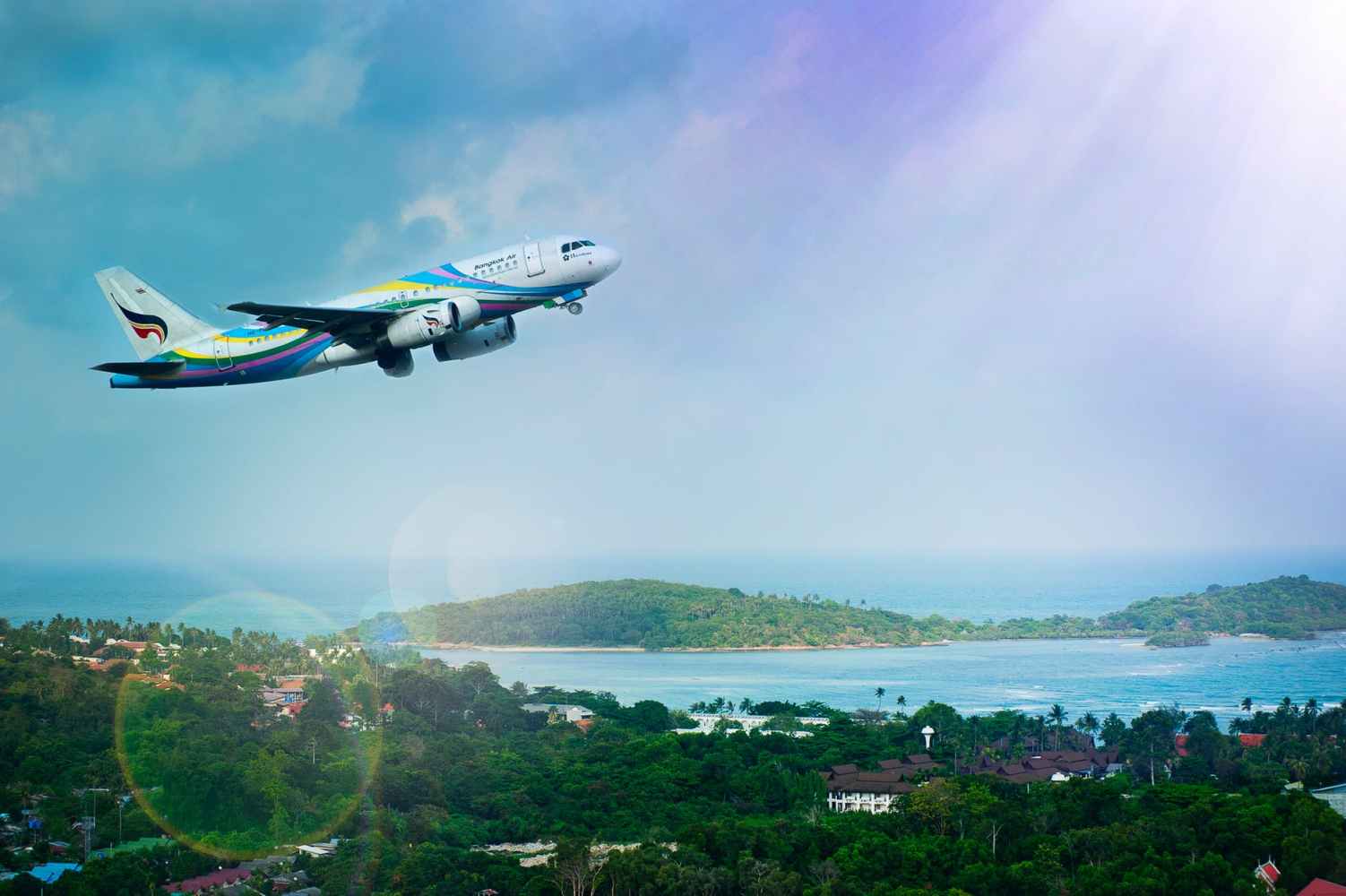
Photo by Oleksandr Pidvalnyi on Pexels.com
3. Who Will Pay the Fee?
The fee applies broadly to nearly all travelers visiting the islands:
🌺 Lodging (Hotels, Vacation Rentals, Short-Term Rentals)
- The state’s Transient Accommodations Tax (TAT) — the tax paid on hotel rooms and short-term stays — increases by 0.75 percentage points, raising the state share of the TAT. (Governor of Hawaii)
🚢 Cruise Ship Passengers
- For the first time, cruise passengers whose ships dock in Hawaii will also be subject to the Green Fee via a new surcharge (estimated at 11% on cruise fares, prorated by days in port). Counties may add an additional surcharge up to 3%. (Kauai Now)
Who Isn’t Exempt?
- Residents and long-term houseguests staying less than six months will also pay the tax. Essentially, any traveler staying six months or less in the islands is subject to the fee. (Caron B Realty Property Management)
4. How Much More Will Travelers Pay?
The fee adds modest but noticeable costs to travel expenses:
- Hotel Room Example: If you stay in a room that costs $400 per night, you can expect roughly an extra $3 per night in fee-related tax charges. (Honolulu Civil Beat)
- Cruise Passengers: Cruise travelers will see a separate surcharge on the cruise fare associated with the duration of their Hawaii port stops. (Kauai Now)
Because the Green Fee is carved into the existing tax structure rather than a standalone ticket price, it feels like another line item on a receipt rather than a separate environmental contribution checkbox.
5. Why Is Hawaii Doing This?
Hawaii’s leadership says the Green Fee is about fairness and sustainability:
Tackling Climate Change
Hawaii is on the front lines of climate impact — from rising sea levels to shoreline erosion and wildfire risk — and officials want dedicated funds to prepare the islands for the growing threat of disasters. (Governor of Hawaii)
Protecting Natural Resources
Millions of visitors enjoy Hawaii’s beaches, reefs, trails, marine life, and other fragile ecosystems each year. The Green Fee helps fund:
- Beach and shoreline restoration
- Invasive species control
- Wildfire mitigation and drought preparedness
- Infrastructure improvements that protect public lands and recreation areas
- Sustainable tourism programs that benefit local communities
(Governor of Hawaii)
Fair Share Funding
Because many of these impacts are tied to tourism and transient population pressures, lawmakers concluded that visitors should contribute directly to solutions rather than leaving all costs to residents and taxpayers. (Honolulu Civil Beat)
6. Controversy and Legal Challenges
Not everyone agrees with the fee:
Legal Challenges
Some industry groups — including cruise lines and tourism organizations — have legally challenged portions of the law, particularly the cruise ship surcharge. Critics argue the fee violates federal maritime law and unfairly targets certain segments of travel. (Kauai Now)
However, in late December 2025, a federal court allowed the Green Fee to take effect as scheduled on January 1, 2026, clearing the way for implementation despite ongoing litigation. (Kauai Now)
Industry Pushback
Opponents worry that higher travel costs could discourage visitors and harm Hawaii’s economy — which relies heavily on tourism. Others argue the government must ensure revenue is spent effectively, not absorbed into general budgets. (Honolulu Civil Beat)
7. Tips for Travelers Planning a Trip in 2026
Here’s how to prepare for the new fee:
📅 Factor It Into Your Budget
Add about 1%–2% extra to your lodging and travel budget to account for the Green Fee and increased taxes.
🏨 Ask About Inclusive Pricing
Some hotels, package tours, or travel agents bundle taxes into the advertised price — ask when booking to avoid surprises at checkout.
📌 Stay Longer
Longer stays spread out tax costs over more nights and provide better value despite the higher rate.
🌱 Embrace Sustainable Travel
The Green Fee isn’t just a cost — it’s an investment in the islands’ future. Participating in eco-friendly tours, supporting local conservation efforts, and minimizing your footprint can make your visit more meaningful.
8. The Bigger Picture: Sustainable Tourism
Hawaii’s Green Fee positions the state as a trailblazer in tourism sustainability — a model other destinations may follow as climate change pressures increase globally. While it may make Hawaii slightly more expensive to visit, the long-term goal is to protect the landscapes and experiences you came to enjoy in the first place. (Governor of Hawaii)
Conclusion
Starting January 1, 2026, Hawaii’s Green Fee will become a part of every traveler’s bill — from hotel rooms to cruise stays — automatically increasing your vacation costs. But this fee also channels much-needed funds toward environmental protection and climate resilience projects that will help ensure Hawaii stays beautiful for generations to come.
More expensive? Yes. Optional? No. Automatic? Absolutely. But with thoughtful planning and appreciation for the purpose behind it, your trip can still be unforgettable — and now more sustainable too.